South Africa Local Elections Show Shift Away From Ideology
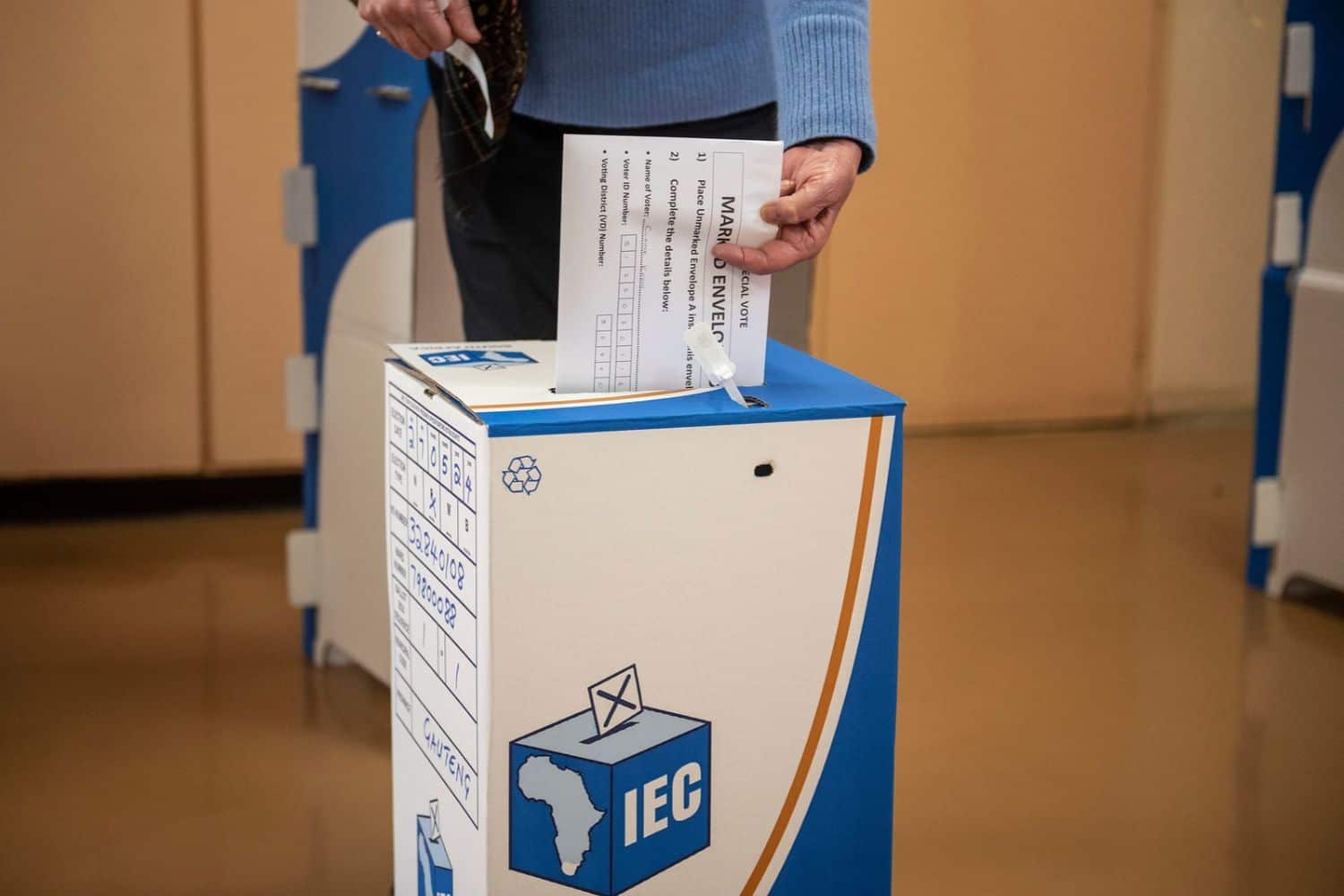
South Africa completed its local government elections recently, raising new questions about the direction of political leaders. Analysts from The Conversation report that the country may be turning into an ideology-free zone. This shift shows how local politics can change after voters cast their ballots.
What are South Africa local government elections showing today?
The latest election results suggest that political parties may be dropping their traditional core ideas. Instead of sticking to strict party platforms, leaders might focus more on practical deals and daily promises. Many voters care more about real action in their towns than about political theories.
When party beliefs matter less, local councils can operate very differently than they did in the past. Leaders from opposing groups might work together more easily to run local services. On the other hand, some citizens worry that parties without clear ideas will lack a strong long-term direction.
How local government changes affect everyday voters
For everyday people, a shift away from party ideas can bring big changes to daily life. Local councils handle key tasks like clean water, street lights, garbage collection, and road repairs. When politicians set aside big political debates, they may focus more on fixing these basic neighborhood services.
However, this change can also make it harder for voters to hold leaders accountable. If candidates do not stand for a clear set of beliefs, voters might find it tricky to guess what a politician will do next. People must watch their local council members closely to ensure they keep their promises.
Why are political parties dropping traditional ideas?
In many regions, voters are tired of standard political speeches that do not solve real problems. Candidates often win support by promising fast fixes rather than promoting broad political doctrines. This trend leads more voters to consider an independent politician or smaller local groups that care about specific issues.
Here are the main reasons why local politics is changing in the region:
- Voters want fast fixes for neighborhood issues instead of long political speeches.
- Local councils are forming new groups to share power across party lines.
- Citizens are paying closer attention to local results than to big national debates.
- Political groups are trying new plans to win back voters who stopped caring about big parties.
What to watch next in South Africa politics
Observers will watch how these new local councils run their towns in the coming months. If this practical approach succeeds, it could change how national parties talk to voters in future races. Other nations facing similar problems might also watch these election outcomes closely.
For now, the focus remains on whether local leaders can deliver real improvements to their communities. Citizens want to see if a system without strict party ideas actually leads to better living conditions. Time will tell if this election marks a permanent shift in how the country chooses its leaders.

Comments
Post a Comment