Is Israel's Eisenkot Bloc Less Right Wing Than Netanyahu?
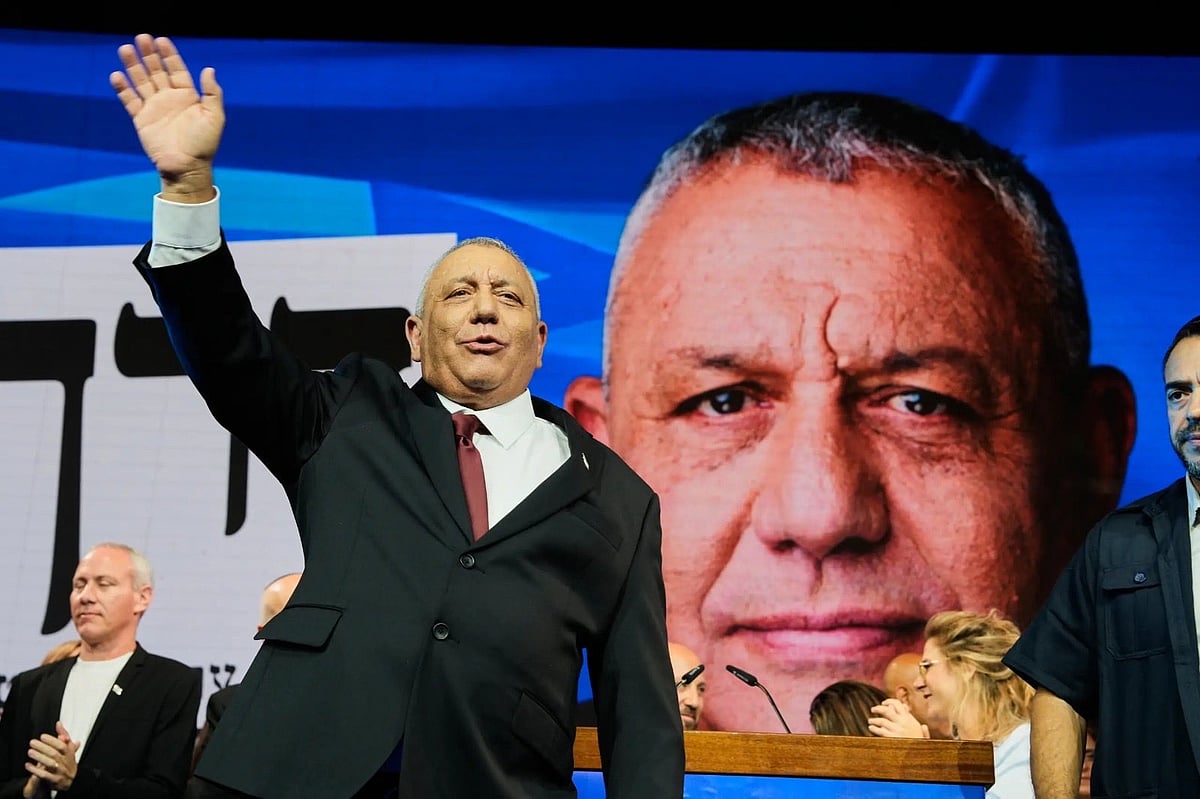
Al Jazeera reports on a key question in Israeli politics today. Observers are asking if the political group around Gadi Eisenkot is really less right wing than Prime Minister Benjamin Netanyahu. Both sides share strong views on defense, but their plans for leadership show clear differences.
Is Israel's Eisenkot bloc less right wing than Netanyahu?
People across the world follow this race to see who will shape policy next. Former military chief Gadi Eisenkot has emerged as a central figure for those who want an alternative to the current government. Analysts ask whether his group offers a real break in policy or just a different style of leadership. Many voters want to know if his core security plans are softer or just as tough as the current path.
The debate comes at a tense time for the whole region. Daily life for millions of families is directly touched by decisions made by top officials in Jerusalem. Because security is the main concern for most citizens, opposition leaders often keep a firm stance so they do not look weak against rivals. This reality makes it hard for any major party to move far away from traditional security ideas.
Key differences between the two political sides
While the two camps share a focus on national strength, they differ on how to run the state. Supporters of the opposition say a new coalition would respect institutions and build better ties with allies abroad. On the other hand, the current ruling coalition focuses on keeping its base united through traditional conservative policies. Here are the main areas where observers look for differences:
- Rule of law: How each leader works with courts and the justice system.
- Security choices: How each camp handles defense decisions and regional threats.
- Foreign relations: How each side talks to international partners and key allies.
For ordinary people, these points are not just abstract ideas. A stable government can lead to calmer markets, steady jobs, and safer neighborhoods. When political groups fight over the courts or foreign ties, daily business can slow down. That is why voters watch these debates with deep interest.
What happened before this debate started
This discussion follows years of close elections and shifting political pacts. Leaders from different groups have tried to build a steady Change bloc to challenge the long rule of the current prime minister. Some of these past efforts brought together very different parties, but keeping them united proved hard over time. Disagreements on basic issues often caused those coalitions to break apart.
Netanyahu has remained in power by holding together a solid base of right-wing and religious parties. In response, figures like Eisenkot joined the political arena to offer an alternative built on defense experience. Because these leaders come from the military, they can speak to voters who care most about defense. Yet their background also keeps them close to traditional security answers, which keeps the central question alive.
What to watch for in the coming months
In the coming months, look for how opposition leaders explain their economic and social plans. Voters care about the cost of living and housing just as much as defense issues. If the opposition wants to win undecided voters, it must show how its plans help household budgets and public services. A clear plan on these daily worries could set them apart from the current leadership.
Watch also for new alliances between rival factions. As parties prepare for future contests, leaders will need to decide if they will join together or run on their own. How these groups unite will show whether they plan to govern from the center or stay closer to the right. The answers will determine the choices voters have when they next head to the polls.


Comments
Post a Comment