How Voters Will Respond to a Divided Government
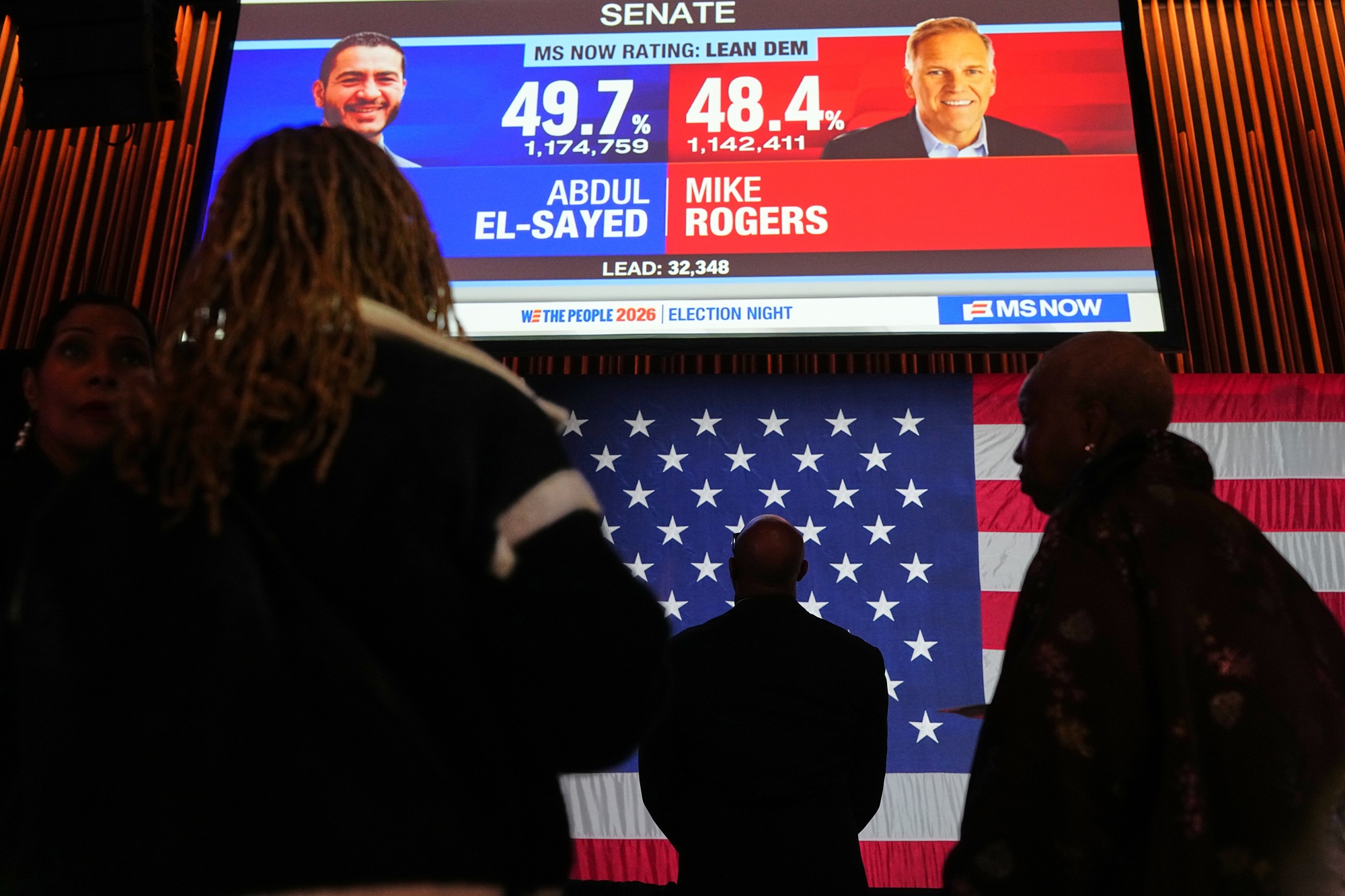
Voters are watching closely as the latest election leaves the nation with a divided government. Power is split between the political parties, which means no single group has full control over the lawmaking process. People across the country now wonder how this big change will affect their daily lives and future votes.
What does a divided government mean for everyday voters?
A split in power means that the president and Congress come from different political parties. When this happens, passing major laws gets much harder because both sides must agree on big decisions. Many people expect to see long debates and slower action on broad issues like taxes and healthcare spending.
Some citizens prefer this setup because it keeps one party from having total control over the nation. They feel it forces politicians to talk to each other and work on broad ideas that help everyone. However, other citizens worry that a split rule will lead to constant arguments and shut down simple work in Washington.
How do voters usually react to political gridlock?
In past years, people have shown mixed feelings when the leaders in office cannot agree on big bills. Some voters get very upset with the whole political system when nothing gets done. They might decide to vote for independent voter ideas or support new candidates in the next local election.
Other people stick strongly with their chosen party and blame the opposite side for every delay. Here are a few main ways voters tend to react when power is split:
- They demand that their leaders stand firm and never give up on core party goals.
- They press both sides to find middle ground so important local programs get funding.
- They lose interest in daily political debates and stay home during smaller local elections.
- They focus more on state and city leaders to get things done for their towns.
What is the future outlook for voters and split power?
As the nation moves forward, every major policy debate will test how well both parties can cooperate. Groups like the League of Women Voters work to keep citizens informed so everyone understands what their elected leaders are doing. People will watch every vote in Congress very carefully over the coming months.
The final answer to this split will come in the next big election cycle. Voters will decide if they like having a check on power or if they want to give one single party full control again. Until that time comes, citizens will keep raising their voices and holding their leaders accountable for every major choice.


Comments
Post a Comment