Conflict in Ethiopia Threatens Peace and Stability
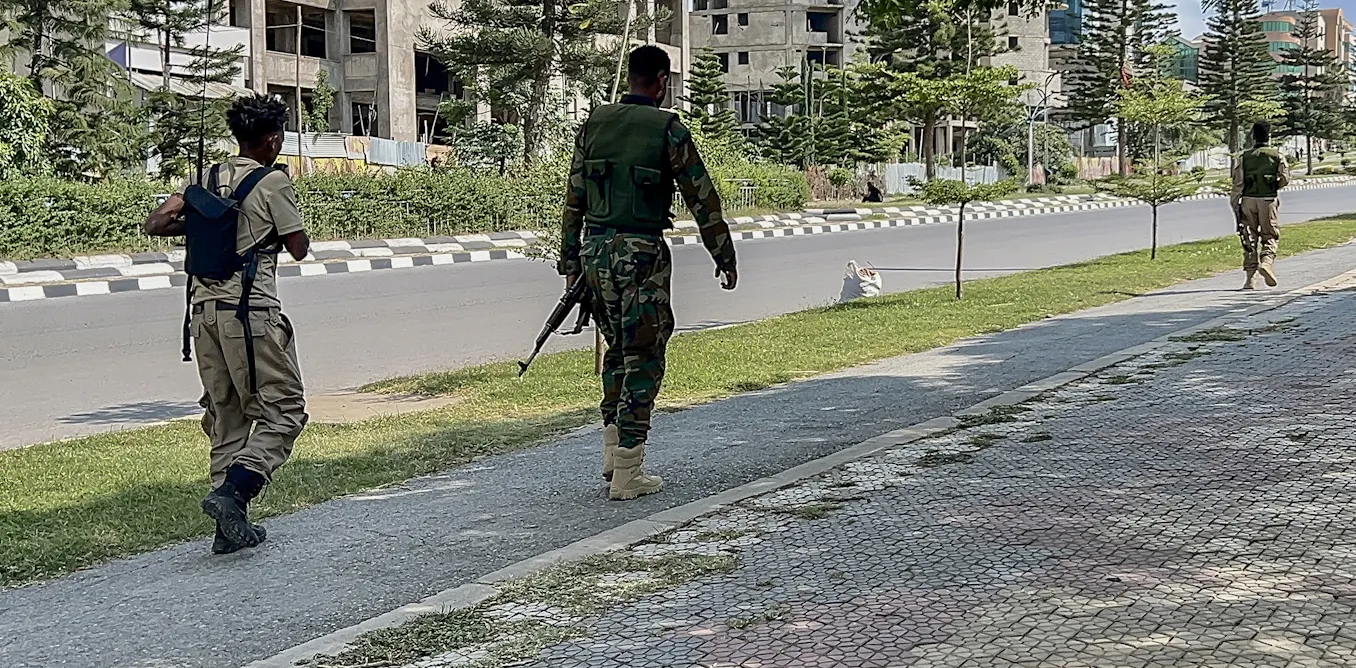
The conflict in Ethiopia continues to grow and cause major problems for the country. Fighting has disrupted daily life and threatened stability across the whole region. Millions of people are watching closely to see if leaders can bring an end to the violence.
What is the conflict in Ethiopia?
The conflict in Ethiopia is a serious battle involving different groups and government forces. Fighting has broken out in several areas, making it hard for people to stay safe in their own homes. Thousands of families have been forced to leave their towns to find food and safety elsewhere. You can learn more about the regional background by reading about the Ethiopian civil conflict (2018, present) history.
This ongoing crisis creates massive trouble for everyday citizens who just want to live peacefully. Schools have closed in many places, and local markets cannot open safely. Small businesses are struggling to stay open because supplies cannot reach the towns. When violence spreads, basic services like health care and clean water become very hard to find for ordinary families.
How does the violence affect everyday people?
When fighting breaks out in local communities, the impact hits home right away. Families lose their normal income and struggle to buy basic groceries every week. Farmers cannot plant or harvest their crops when weapons are present in the fields. This leads to severe food shortages that reach far beyond the main areas of the fighting.
The trouble also spreads into neighboring countries across the region. When thousands of people flee from danger, nearby nations must try to help them with food and shelter. This puts a heavy strain on public money and resources everywhere nearby. To understand older tension nearby, you can check the details on the Eritrean, Ethiopian border conflict page.
Why is East Africa at risk right now?
East Africa relies heavily on trade routes that pass through major Ethiopian cities and roads. When violence closes these main roads, trucks cannot deliver goods, gas, or medicine. Prices for basic goods go up quickly in nearby towns, making life harder for everyone. Peace in this country is necessary for the economy of the whole region to stay stable.
Here are the primary issues caused by this battle:
- Thousands of local families are forced to leave their homes.
- Food and water supplies become limited and very expensive.
- Schools and hospitals close down due to safety concerns.
- Trade routes close, hurting neighboring national economies.
What should we watch for next in this region?
In the coming days, global leaders will keep pushing for peaceful talks between all sides. Human rights groups are asking for a quick end to the fighting so aid can reach people in need. If the fighting stops, trucks carrying emergency food and medicine can finally enter the hardest-hit towns safely.
However, if the fighting continues, the crisis will grow much worse for millions of residents. People will continue to suffer without access to work, food, and safe shelter. Everyone is hoping for a quick solution that brings lasting peace back to the nation soon.


Comments
Post a Comment